Latest News

How COP 31 can decarbonise the world - a panel event


COP 31 panel at ALP Fringe

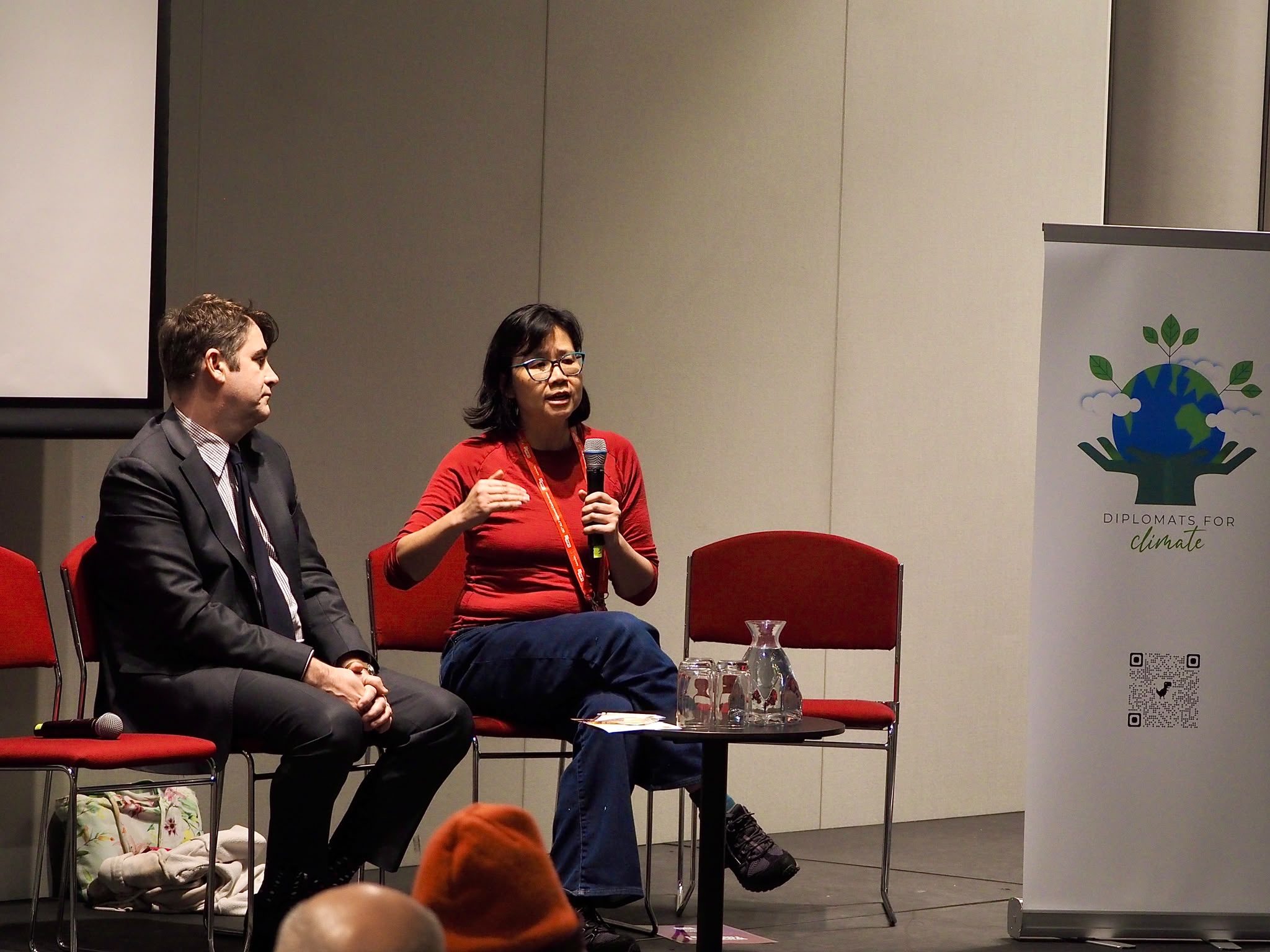
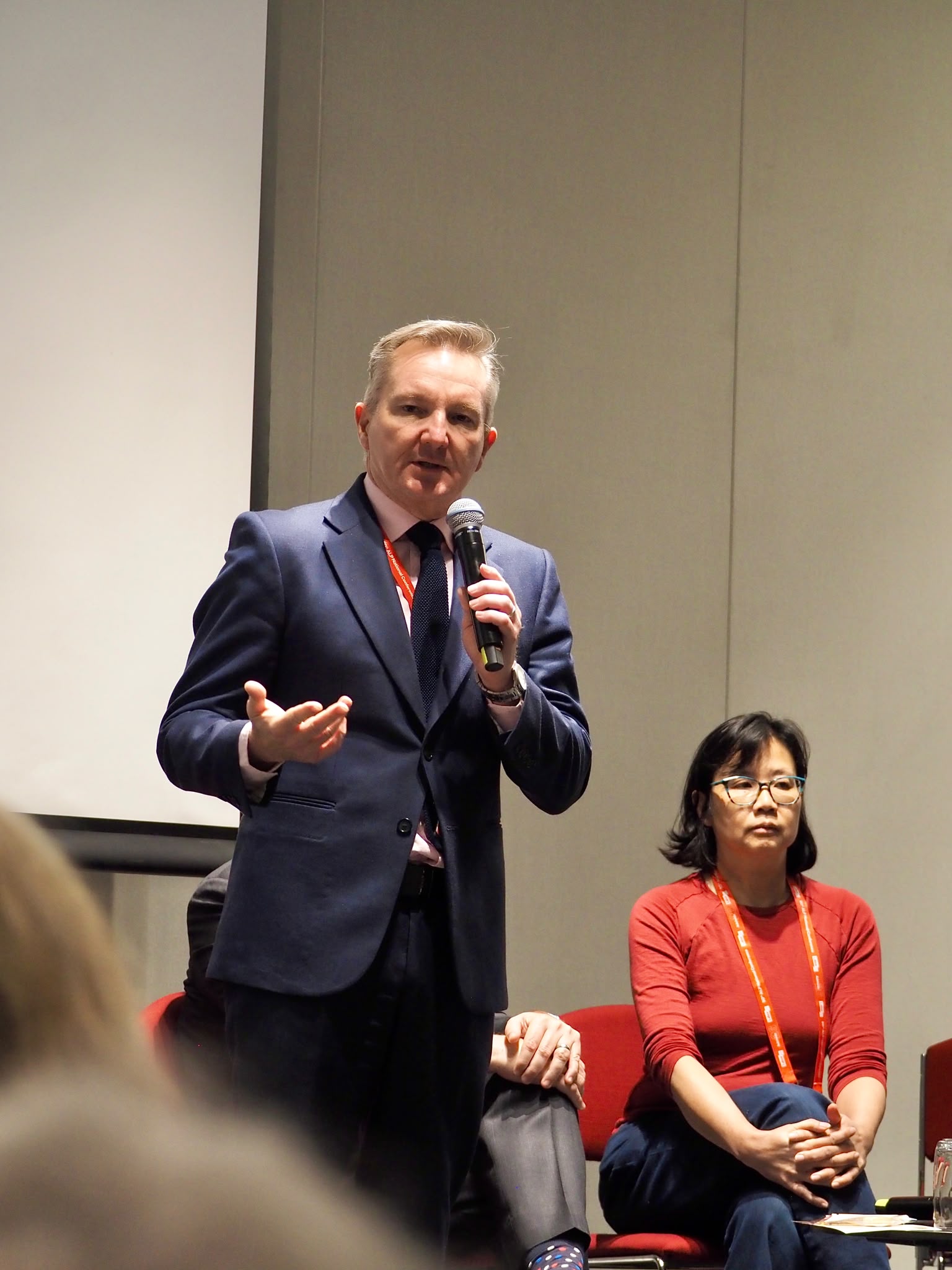
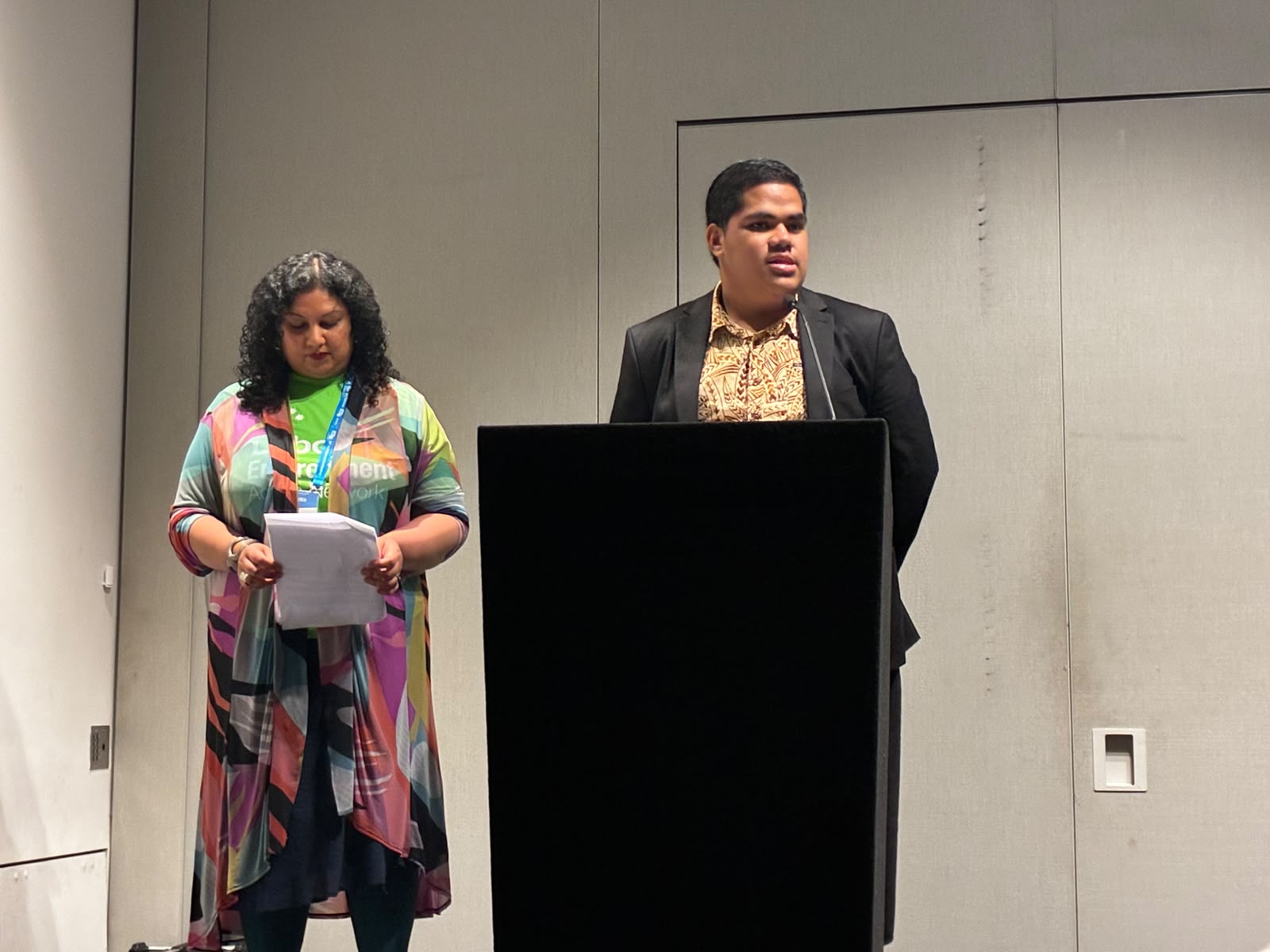
We held a panel discussion on how COP 31 can decarbonise the world at the ALP National Conference Fringe. Janaline outlined our proposal to achieve a genuinely ambitious outcome by shifting the focus away from phasing out fossil fuels towards decarbonising global heavy industry supply chains. This is not an alternative to transitioning away from fossil fuels, but rather a pathway towards achieving that outcome through a positive narrative that can benefit fossil fuel exporters - most of whom are already investing in clean energy industry, fossil fuel importers - who want to diversify away from geopolitically vulnerable imports, and supporters of ambitious climate action - because every project will lead to immediate emissions reductions. Janaline was joined by David McElrea, CEO of the Smart Energy Council, and Minister for Climate Change and Energy, the Hon Chris Bowen MP. The session was opened by Jude Menon, the National Campaign Organiser for the Labor Environment Action Network, and Semisi Manu, a young Tongan Australian studying at the University of Queensland, who gave a passionate call to action to protect his people.


  • How COP 31 can decarbonise the world - a panel event


    COP 31 panel at ALP Fringe

    We held a panel discussion on how COP 31 can decarbonise the world at the ALP National Conference Fringe. Janaline outlined our proposal to achieve a genuinely ambitious outcome by shifting the focus away from phasing out fossil fuels towards decarbonising global heavy industry supply chains. This is not an alternative to transitioning away from fossil fuels, but rather a pathway towards achieving that outcome through a positive narrative that can benefit fossil fuel exporters - most of whom are already investing in clean energy industry, fossil fuel importers - who want to diversify away from geopolitically vulnerable imports, and supporters of ambitious climate action - because every project will lead to immediate emissions reductions. Janaline was joined by David McElrea, CEO of the Smart Energy Council, and Minister for Climate Change and Energy, the Hon Chris Bowen MP. The session was opened by Jude Menon, the National Campaign Organiser for the Labor Environment Action Network, and Semisi Manu, a young Tongan Australian studying at the University of Queensland, who gave a passionate call to action to protect his people.


  • A proposal for an ambitious COP31 outcome

    13 May 2026

    Diplomats for Climate President Ruth Adler and Director Janaline Oh briefed around 20 members of the Canberra diplomatic corps on 6 May on some ideas for achieving a genuinely ambitious outcome at the 31st Conference of Parties to the UN Framework Convention on Climate Change (COP31). Türkiye is hosting the COP and Australia will be President of Negotiations, and so will be responsible for crafting consensus around an outcome that can make a real difference to global climate change. Given the sensitivities around language about transitioning away from fossil fuels, we see value in focusing on the actions that will be needed to enable that transition to happen, notably the decarbonisation of global supply chains. Here is a non-paper explaining our proposal.

    We thank the Netherlands Ambassador, HE Mrs Ardi Stoios-Braken, for generously hosting the event.

  • Australian support for an ASEAN electricity grid

    19 February 2026

    Diplomats for Climate President Ruth Adler and Richard Neumann of the Smart Energy Council published Australia's Power Play in South-East Asia in the Lowy Interpreter on 19 February 2026. The article makes the case for Australia to support an ASEAN regional electricity grid, based on renewable energy, to reduce the region's reliance on fossil fuels and to enhance regional energy security and independence.

  • Submission on electricity pricing to AEMC

    13 February 2026

    We lodged this submission to the Australian Energy Market Commission on its proposed changes to electricity pricing, specifically raising concerns about its proposal to shift the burden of consumer bills away from usage charges to fixed network costs. This would remove significant incentives to households to invest in solar panels and batteries, and to increase the efficiency of their consumption. It would also disproportionately disadvantage poorer households who would have less scope to reduce their bills through efficiency measures.

  • COP 31: Australia's opportunity to lead on climate and energy

    13 February 2026

    Our President Ruth Adler, with patron Richard Neumann, published an article with the Australian Institute of International Affairs on how Australia can take advantage of its lead negotiating role at COP 31 to present its considerable clean energy potential to the world, while promoting global decarbonisation in a meaningful way.

  • Vale Geoffrey Miller AO

    30 January 2026

    Diplomats for Climate mourns the passing of Geoffrey Miller AO, a patron of our organisation and one of Australia’s most respected diplomats and strategic thinkers.

    Geoff brought to Diplomats for Climate the same qualities that defined his long public service: intellectual seriousness, sound judgement and a deep commitment to Australia engaging responsibly with the world. He understood that climate change is not only an environmental challenge, but a defining strategic and diplomatic issue of our time, with profound implications for regional stability, security and international cooperation.

    As a patron, Geoff was generous with his support and steady in his encouragement. His belief that experienced diplomats have a responsibility to speak plainly about emerging global risks was an important affirmation of our work.

    We extend our deepest condolences to Geoff’s family, friends and colleagues. He will be greatly missed, and his legacy of principled public service will endure.

    Diplomats for Climate Board

  • Welcome to our new President

    4 September 2025

    After a quiet twelve months or so, Diplomats for Climate is back with a revamped Board. Our big news is that Richard Mathews, our Founder, is stepping back from his role as President, although he will remain on the Board. In his place, Dr Ruth Adler has agreed to step up as President of Diplomats for Climate. Read about Ruth here.

    Solstice Middleby has also decided to step back from her Board role due to the pressing needs of her doctorate. We are so grateful to her for her service and expertise, and look forward to working with her again in some capacity once her studies are complete.

  • Pathways to Australia's 2035 climate targets

    14 May 2024

    We submitted this response to the Climate Change Authority's issues paper on Targets, Pathways and Progress towards the Government's 2035 emissions reduction targets. In our response, we argue the Government can take a much more active role in encouraging faster decarbonisation in our major energy markets through multilateral, regional and bilateral engagement. Australia as a major fossil fuel exporter can play an important role in driving a faster transition in our trade and development partners.

  • Future Gas Strategy - response

    9 May 2024

    We issued this statement on the Future Gas Strategy, expressing disappointment that the Government's approach to gas supply did not take into account the significant role Australia can and should play in reducing demand for gas in our major trading partners by encouraging them to accelerate their domestic decarbonisation.

  • Agriculture and land sector climate plan

    5 January 2024

    We submitted to the Agriculture and Land Sector Climate Plan that the Government needs to address the biggest source of land sector emissions, namely clearing of native vegetation either for native forest logging or for pasture. Given growing international demand for high quality, high integrity carbon and biodiversity credits, the Government has the opportunity to create an export industry based on recognising and rewarding natural capital values. This could fund significant land restoration while boosting and diversifying Australian exports.